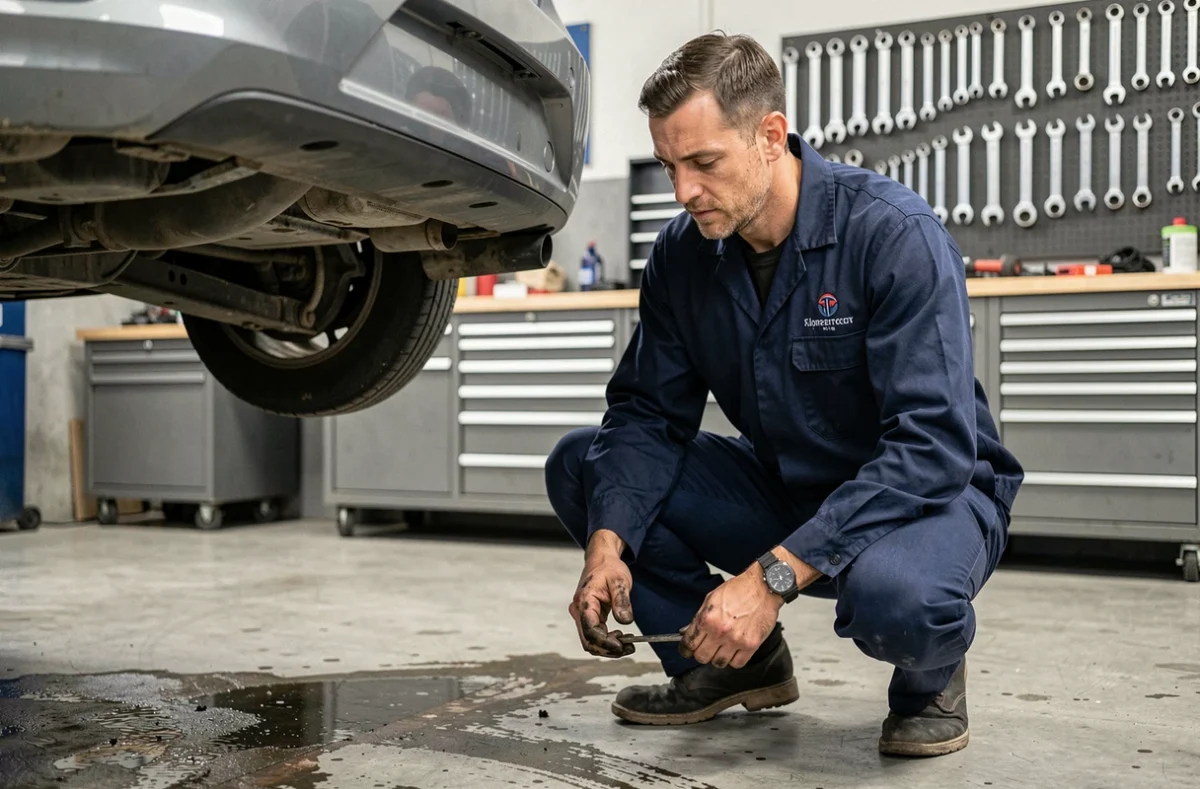
Choosing a garage for car maintenance or repairs should be based on verifiable criteria, not a general impression. Since October 1, 2024, the repairers concerned have been required to inform customers that they can opt for parts from the circular economy and to record their choice on a durable medium. This regulatory framework provides an initial transparency check when assessing an automotive specialist, but it is not enough to guarantee technical expertise.
Electric or hybrid vehicle diagnostics: check the garage’s qualifications
Electric and hybrid vehicles present a practical challenge when choosing a workshop. Work on the high-voltage system requires specific electrical qualifications and preventive measures suited to the electrical risks involved.
Many independent garages do not have these qualifications and refer owners to the manufacturer’s network, sometimes without even attempting a diagnosis. This response is not always justified: routine maintenance (brakes, suspension, air conditioning) does not necessarily involve the high-voltage circuit.
A workshop that clearly explains which jobs it can carry out and which fall outside its qualifications sends a reliable signal. Conversely, a garage that refuses all work outright or never mentions electrical certifications may lack either expertise or transparency. Asking before handing over the vehicle makes it easy to rule out unsuitable workshops.
For owners of both combustion-engine and electric vehicles, a garage that can clearly state its technical limitations is often a well-organized professional. Automotive repair workshops list their specialties and equipment, as at https://www.cls-auto.com, making it easier to check in advance.
Insurer-approved garage or independent garage: a comparison of guarantees
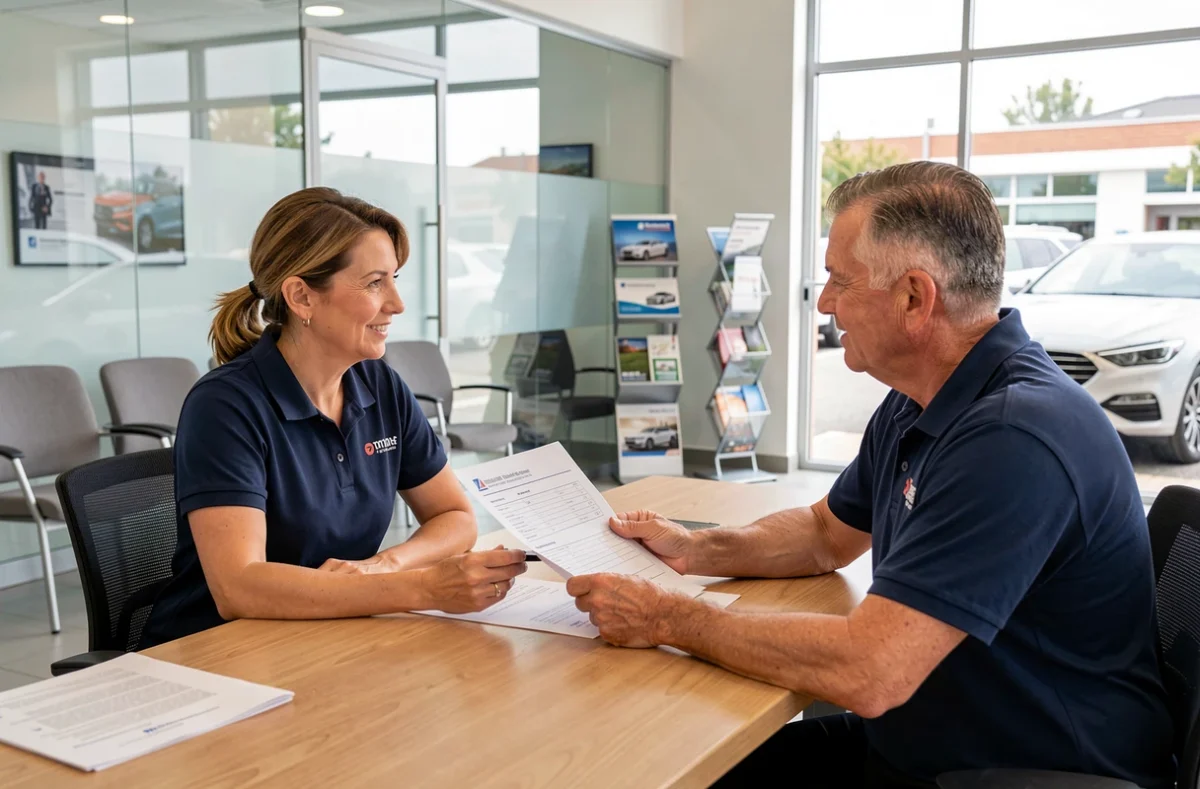
After an accident, confusion between an insurer-approved garage and a high-quality garage persists. Approval reflects a commercial partnership with the insurance company. On its own, it does not guarantee quality or a better price.
Policyholders are free to choose their repairer, even when a claim is covered. Getting written confirmation of the covered work, the excess and the payment terms before repairs begin helps avoid common disputes.
| Criterion | Insurer-approved garage | Independent garage |
|---|---|---|
| Intrinsic quality guarantee | No (commercial partnership) | No (depends on the garage) |
| Customer’s freedom of choice | Yes, the policyholder can decline | Yes |
| Direct payment by insurer | Often simpler | Upfront payment may be required |
| Quote transparency | Varies | Varies |
| Access to circular economy parts | Information required since October 2024 | Information required since October 2024 |
The table shows that the main difference between the two types of garage concerns administrative arrangements with the insurer, not technical expertise. A detailed quote and written approval before work begins remain the true signs of reliability, whatever the garage’s status.
Repair order and written diagnosis: documents to request
A garage’s quality can also be measured by its ability to document communications. Before handing over the vehicle, a written repair order protects both parties. This document should include:
- The symptoms described by the customer and the mileage when the vehicle is dropped off, making it possible to trace the history in the event of a dispute
- The proposed work and estimated cost, with parts and labor listed separately
- The garage’s commitment to obtain explicit approval before carrying out any additional work not included in the original quote
Keeping these documents gives you a practical means of recourse if the problem persists or the bill differs from the quote. A garage that refuses to provide a written diagnosis creates an imbalance: if a disagreement arises, the customer has no proof of what was requested.
Car repair quotes and the requirement to display prices
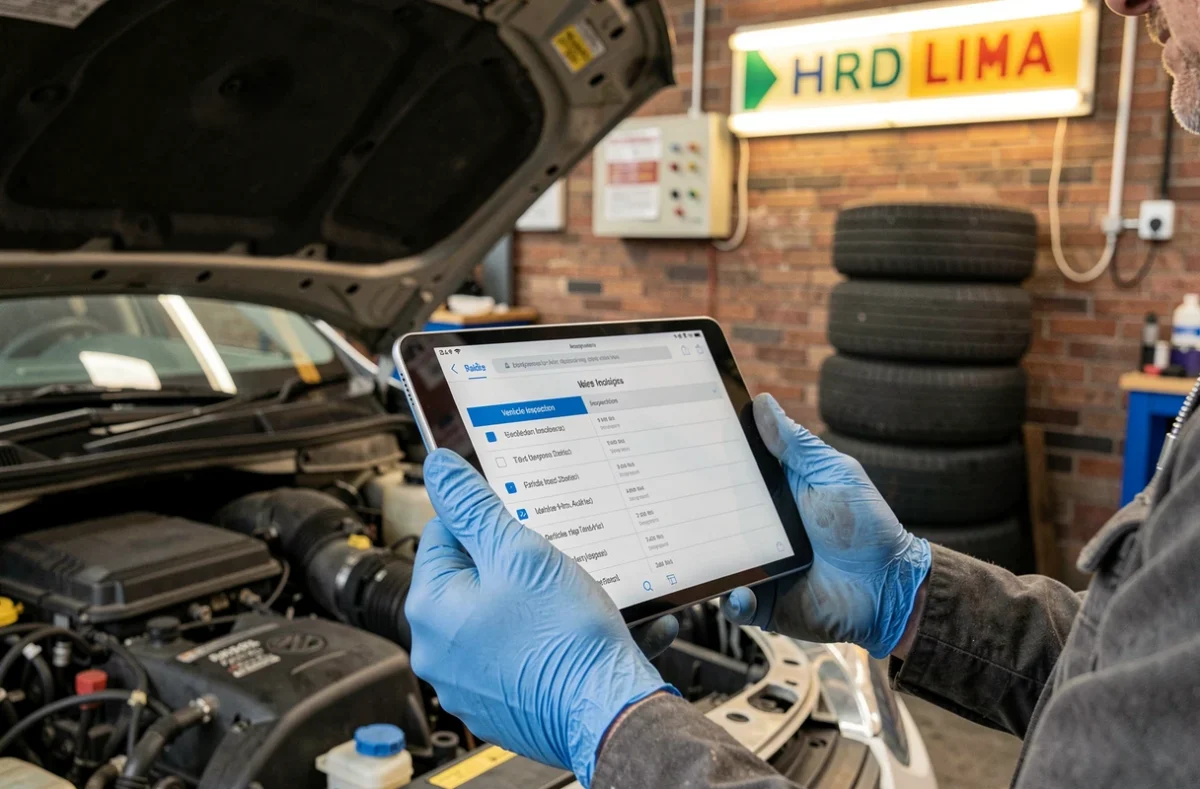
Garages are required to display their hourly labor rates and prices for common services. The absence of clearly displayed prices is a warning sign that may point to broader compliance issues.
A written quote signed before work begins commits the repairer to the stated amount. If additional work becomes necessary during the repair, the professional must obtain your approval before carrying it out.
Customer reviews and an auto garage’s reputation: what really matters
Online reviews offer an initial overview, but they should be read with a critical eye. A garage with several hundred reviews and a consistent rating gives a more reliable picture than a workshop with five reviews, all perfect.
- Check whether the same complaints recur across multiple platforms (missed deadlines, overcharging, parts not ordered)
- See whether the garage responds to negative reviews and how: a factual, courteous response suggests professional management
- Give preference to reviews describing a specific repair rather than vague comments (“great garage,” “highly recommended”)
Detailed reviews of complex repairs carry more weight than an overall rating. A customer who describes a successful engine diagnosis provides more information than a context-free five-star rating.
Word of mouth remains a useful additional check
Recommendations from people close to you who have had a similar vehicle serviced are still valuable. They let you ask direct questions about how the work was carried out, whether the quote was honored and what follow-up was provided after the repair.
Choosing an automotive specialist should be based on concrete, verifiable factors: verified qualifications, a written repair order, a detailed quote and specific customer reviews. No single label can replace this cross-checking. The requirement to inform customers about parts from the circular economy, which came into effect on October 1, 2024, adds another transparency criterion worth checking during your first contact with the garage.