An egg placed on the counter does not have the same fate depending on the country it is in. In the United States, legislation mandates systematic washing that weakens the shell, thus forcing it to go into the refrigerator. In contrast, elsewhere, the kitchen shelf remains its natural habitat. As for the famous expiration date, it sometimes serves more as a suggestion than a health cutoff.
Among the perishable items, the potato perfectly illustrates the paradoxes of preservation: in the cold, its starch turns into sugar, altering texture and taste. Some fruits, on the other hand, emit ethylene, this imperceptible gas that accelerates the ripening of everything around them.
Why do so many foods end up in the trash? Understanding common preservation mistakes
Food waste is not just a matter of excess or distraction. Clumsiness in food preservation contributes significantly to it. Many still confuse expiration date (DLC), a true health safeguard that should never be exceeded, and minimum durability date (DDM), which only indicates a potential loss of taste or texture. The former concerns safety: beyond this date, bacteria and microorganisms proliferate, posing health risks. The latter is not a cutoff.
The temperature of food preservation weighs heavily in the balance. Many products wait in the kitchen when they should be in the refrigerator: cold cuts, dairy products, prepared meals. Conversely, some items, like tomatoes, bread, and potatoes, suffer from the cold, losing their qualities. A few simple actions can extend the shelf life of food: avoid breaking the cold chain, respect the different zones of the fridge, and separate fruits and vegetables according to their ethylene emission.
A poorly suited package, an open box, or a non-airtight container is enough to compromise preservation. Humidity settles in, and flavors evaporate. There are effective alternatives, some of which are detailed on jeconserve.fr in their file “Best Vacuum Sealer 2026 – Test and Comparison.” Paying attention to expiration dates and choosing a good container are two measures that make a difference.
Here are a few reflexes to adopt to limit waste:
- Never confuse DLC and DDM: the former concerns health, the latter quality.
- Adjust the temperature according to the nature of the products.
- Use airtight containers suitable for each type of food.
Simple and effective tips to keep your food fresh longer
The choice of container: glass or plastic?
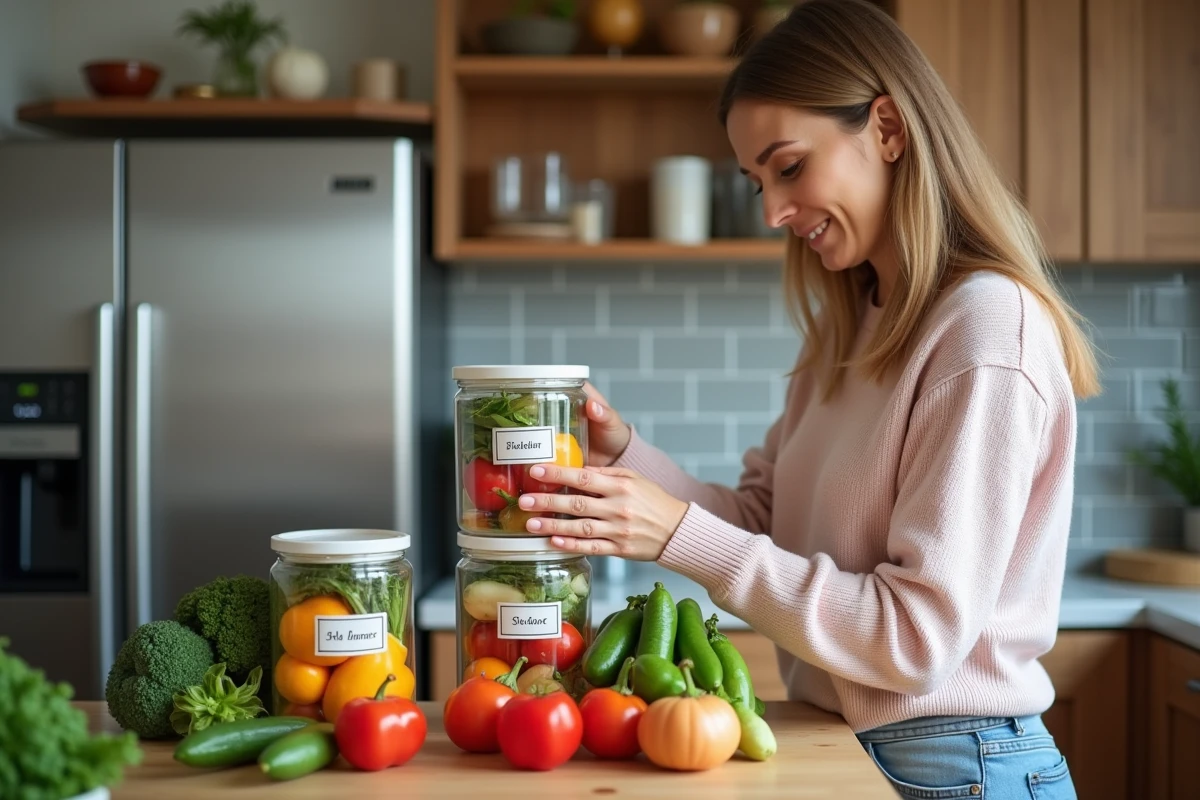
The type of storage container directly affects freshness. Borosilicate glass is ideal for storing prepared dishes, cooked vegetables, or dairy products. This material retains neither odor nor color, withstands thermal shocks, and is more durable than plastic. Glass containers allow you to see the state of the food at a glance.
To organize the storage of fresh products, a few precautions are necessary:
- Keep fruits and vegetables separate to limit the action of ethylene, which accelerates ripening.
- Place yogurts, cheeses, cooked meats, and fish on the middle shelves of the refrigerator where the temperature remains the most stable.
- Only wash berries just before use, as moisture promotes mold.
Dry products and good home practices
Dry products like rice, pasta, or legumes benefit from being stored in airtight containers, away from light. For butter or milk, ensure to maintain the cold chain by quickly returning them to the fridge after each use. Eggs should be stored in their original carton, point down, to preserve their freshness.
Keeping track of opening dates on each box or jar quickly becomes a reflex: this small gesture avoids confusion and limits health risks. Preservation tips are built day by day, through observation and common sense in the kitchen.
Reducing food waste: small eco-friendly gestures to adopt daily
Optimizing inventory management and anticipating needs
Often, food waste stems from the organization of cupboards and the refrigerator. Regularly taking stock helps identify products that need to be used quickly. For fresh foods, the expiration date (DLC) serves as a reference; for dry products, monitor the minimum durability date (DDM). Adapting meals based on these dates becomes a strategic game: leftover vegetables easily find their place in an omelet, soup, or gratin. Batch cooking is also appealing for its ability to limit waste: cooking in advance, portioning, and storing saves time and reduces losses.
To keep control over food rotation, a few simple habits make a difference:
- Write the preparation date on each container to better track the shelf life of food.
- Place those with approaching DLC at the front in the fridge or pantry.
- When stocks overflow, offer excess to your neighbors or colleagues.
Adopting eco-responsible gestures in the kitchen
Vegetable peels can become broth, and greens can be transformed into pesto. Composting is a no-brainer: kitchen waste enriches the soil instead of filling the trash. For each product, make it a habit to check the temperature of preservation and storage conditions. A watchful eye prevents the proliferation of microorganisms or unwanted bacteria. This vigilance naturally integrates into the routine, without constraint, to cook more responsibly and lighten the home of unnecessary waste.
In the end, every gesture counts: a careful package, a verified date, a valued leftover. By changing a few habits, the trash fills up less quickly, and the kitchen becomes the stage for more thoughtful consumption. Who knows, maybe tomorrow, leftovers will become a recipe?