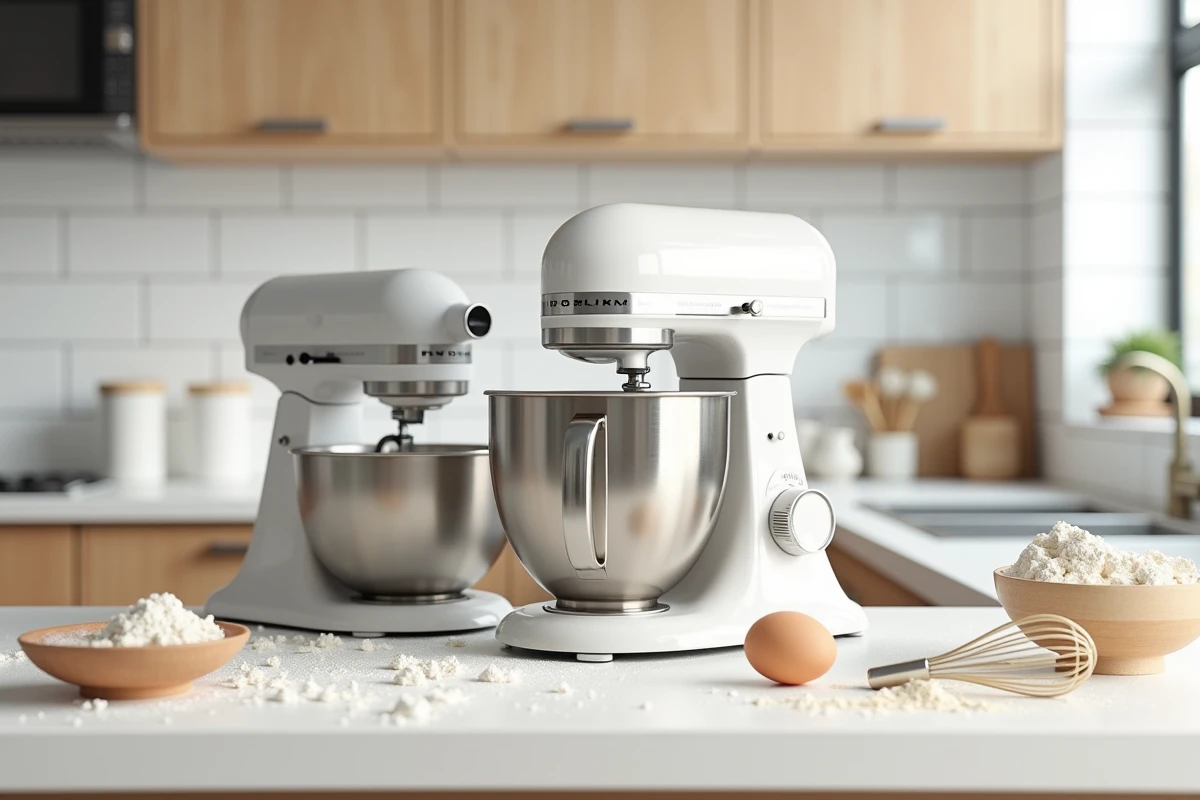
The kitchen robot market is divided into two opposing categories: stand mixers, designed for kneading, whipping, and mixing, and multifunction cooking robots like Thermomix, which add cooking and recipe-assisted preparation. Choosing between these two families comes down to a trade-off between specialization and versatility, with direct consequences on budget, space, and eating habits.
Spare parts and lifespan: a criterion that the purchase price does not reveal
The longevity of a kitchen appliance does not solely depend on the initial manufacturing quality. It also relies on the availability of spare parts and the manufacturer’s policy regarding repairability.
User feedback on specialized forums indicates that alternatives like the Monsieur Cuisine Smart benefit from accessible spare parts, significantly extending their lifespan. Premium models, on the other hand, often operate within a more closed ecosystem: seals, blades, and bowls must be ordered from the manufacturer, sometimes at prohibitive prices.
For a classic stand mixer (KitchenAid, Kenwood, Smeg), the mechanics are simpler. A flat whisk or a dough hook wears out slowly and is easily replaced. The direct drive of these devices limits electronic failures. A well-maintained stand mixer can function for over ten years without major intervention.
To delve deeper into the choice between a stand mixer and a Thermomix, the question of long-term maintenance deserves as much attention as the technical specifications.

Multifunction cooking robot and food waste: promise or measurable reality
Manufacturers of cooking robots emphasize the ability to cook with leftovers: turning a bit of vegetables into soup, using overripe fruits for compote, preparing broths from carcasses. The marketing argument is appealing. However, the available data does not allow for a quantified conclusion regarding the reduction of food waste linked to the use of a cooking robot.
What is verifiable is that recipe-guided cooking reduces measurement errors. Fewer ingredients wasted due to failed preparations, fewer dishes thrown away due to lack of technical mastery. In this respect, the cooking robot offers a structural advantage over the stand mixer, which does not provide step-by-step guidance.
Field feedback varies on this point. Some users report cooking more since acquiring a multifunction robot, thus consuming more fresh products and wasting fewer leftovers. Others acknowledge that the device ends up gathering dust after a few months of initial enthusiasm, negating any potential benefits regarding waste reduction.
What makes a difference in daily life
- The presence of a steam function allows for cooking wilted vegetables that would have been thrown away without this quick and unattended use
- Slow cooking programs (stews, soups) make use of cuts of meat or vegetables that are usually overlooked
- The single bowl limits dishwashing, encouraging regular rather than occasional use
Stand mixer: for which types of cooks
A stand mixer excels in a specific domain: yeasted doughs, meringues, whipped creams, and kneading heavy doughs. If baking represents a significant part of home cooking, no multifunction cooking robot rivals the mechanical power of a dedicated stand mixer.
The stainless steel bowl of a stand mixer, often with a generous capacity, supports heavy preparations without straining the motor. The available accessories (meat grinder, pasta maker, citrus juicer) expand the range of uses, but never add cooking. This is the fundamental limitation of this device.
For someone who primarily cooks savory dishes, soups, or complete meals, the stand mixer alone does not meet the need. It will need to be complemented with a pot, a blender, or even a separate steamer, which multiplies both the space taken up and the overall budget.
Food safety standards and coatings: what changes in 2026
The EU regulation 2025/1234, which came into effect in January 2026, requires manufacturers of multifunction robots to use reinforced anti-BPA coatings and more precise temperature sensors. This regulatory change directly affects cooking bowls, seals, and surfaces in contact with heated food.
For classic stand mixers, the impact is lesser: food-grade stainless steel bowls already met previous standards. However, cooking robots with integrated cooking had to adapt their materials, especially for programs exceeding certain temperatures.
Checking compliance with EU regulation 2025/1234 is a relevant purchasing criterion for any new appliance acquired since early 2026. Used models prior to this date are not necessarily affected, creating a disparity in the secondary market.
Decision grid: stand mixer or Thermomix based on actual use
Rather than a comparison of technical specifications, the central question remains the dominant use in daily cooking.
- Frequent baking (breads, brioche, cakes): the stand mixer remains superior in kneading power and results for yeasted doughs
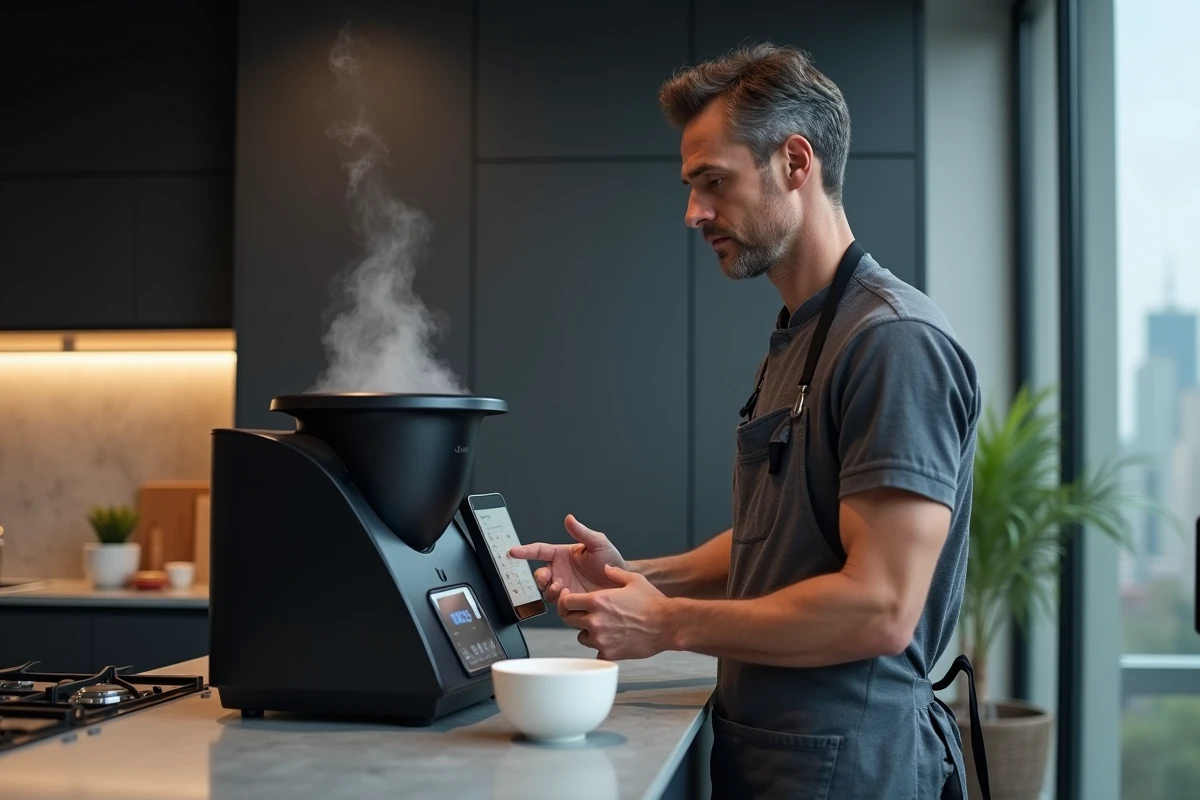
- Complete meals daily with little time available: the multifunction cooking robot offers guided cooking, steaming, and all-in-one preparation
- Tight budget with a need for versatility: entry-level cooking robots cover more functions than a stand mixer at the same price
- Creative cooking without imposed recipes: the stand mixer allows total freedom, whereas some cooking robots guide towards their proprietary recipe base
The choice between these two devices is not just a matter of brand or catalog price. It depends on the type of cooking practiced, the actual frequency of use, and the willingness to engage in a closed ecosystem or maintain material flexibility. A device used three times a week justifies its investment. A device used three times a year, regardless of its price, remains a bad deal.