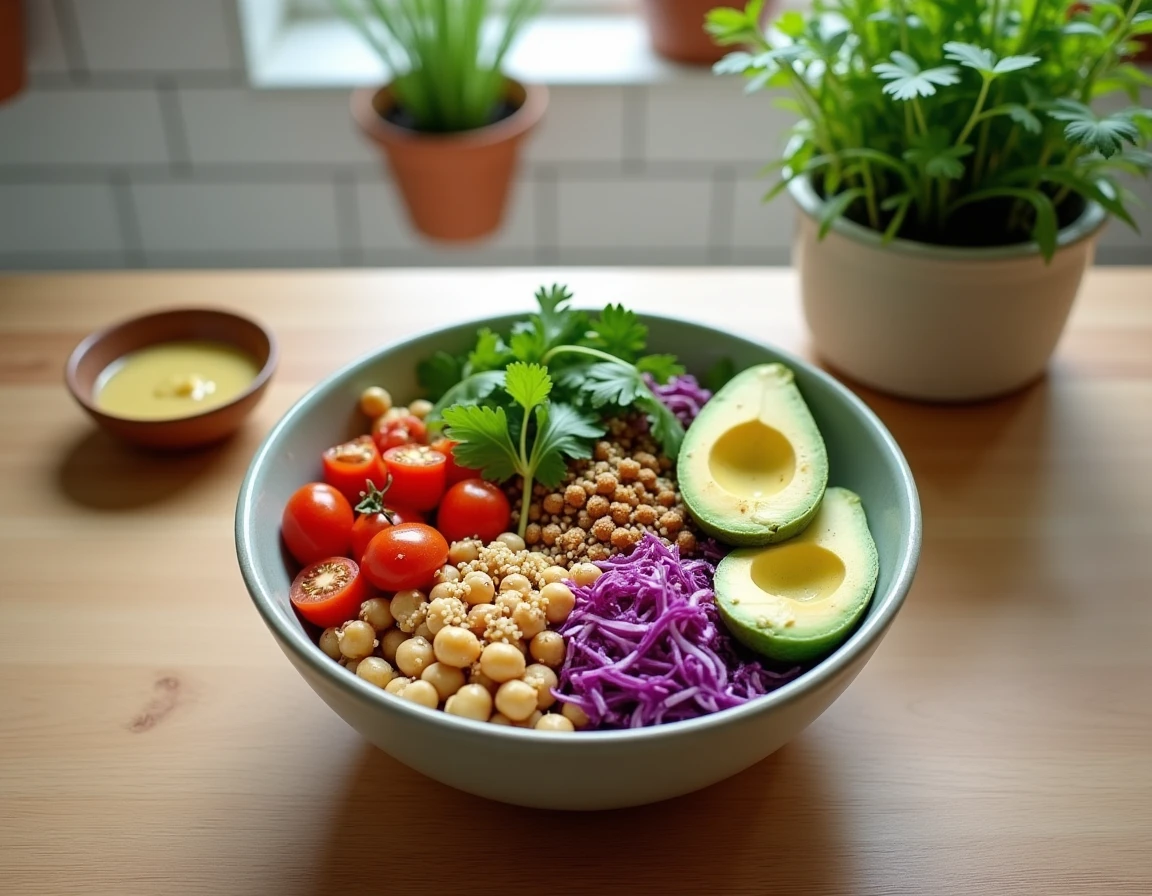
When you open the fridge on a Sunday evening with the goal of eating light, the classic reflex remains a green salad and plain yogurt. The result: two hours later, you’re snacking. The weight-loss dishes that work over time share a common point: they satisfy enough to cut the urge to compensate at the next meal. It’s this logic of satiety, not sheer restriction, that makes the difference over several weeks.
Moderate Caloric Deficit: The Foundation of Lasting Weight-Loss Dishes
For a few years now, dietitians have been moving away from very low-calorie diets in favor of a moderate deficit of 300 to 500 kcal below daily needs. This approach avoids metabolic slowdown and limits the yo-yo effect. In practical terms, we’re talking about menus around 1,500 kcal per day for women, which leaves room for tasty dishes.
Additionally, we know that the combination of a suitable diet and physical activity yields better results than exercise alone. The weight loss achieved with this combination can reach about 10.8% of initial weight over a year, compared to only 2.4% with exercise alone. Therefore, weight-loss recipes are not an accessory; they are the main lever.
You can also find Watoote’s weight-loss tips among the resources detailing how to create dishes to lose weight without sacrificing taste, focusing on lean proteins and seasonal vegetables.
Proteins and Fiber on the Plate: The Two Concrete Levers of Satiety
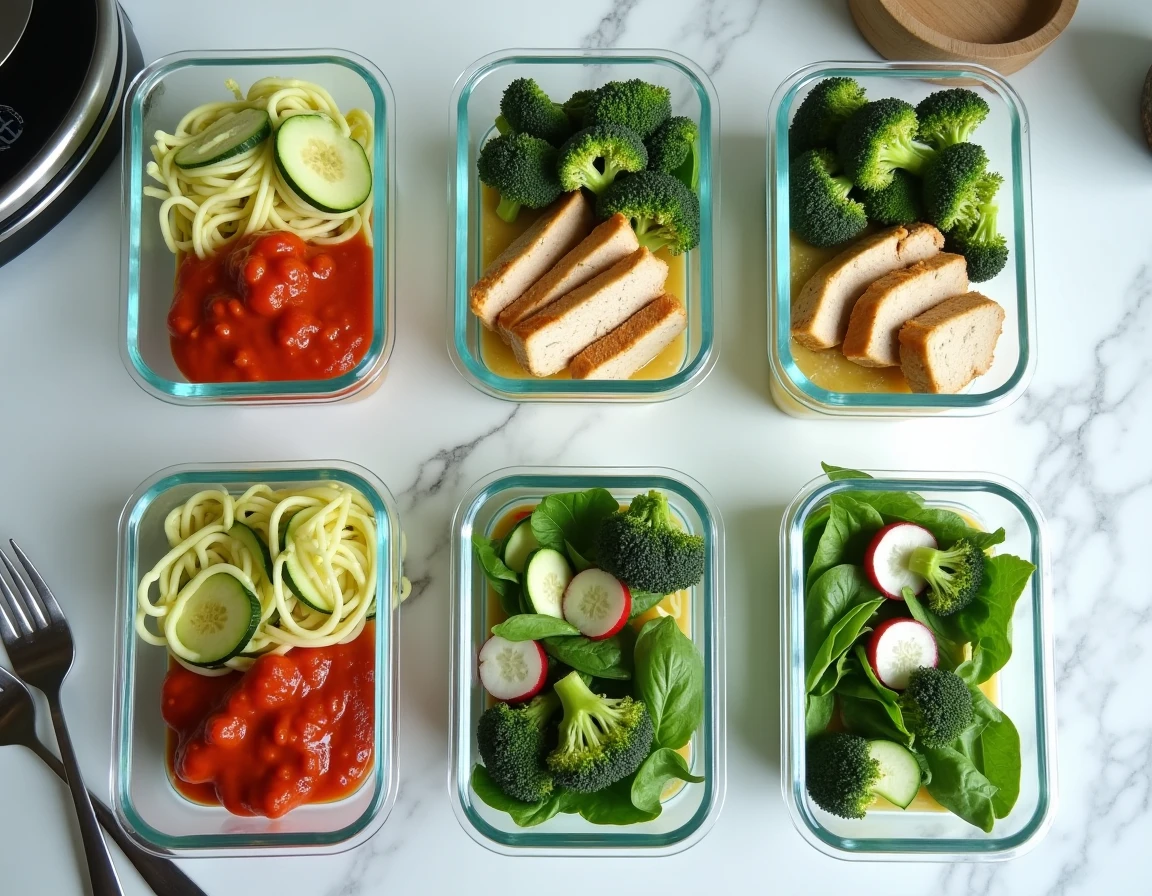
A weight-loss dish that doesn’t hold up to the body leads to snacking. To avoid this, each meal must combine a source of lean protein and a solid intake of fiber. This is the operational base; everything else follows from it.
Lean Proteins: Chicken, Salmon, Legumes
Grilled chicken often appears in weight-loss recipes for a simple reason: it provides protein without excess fat. Salmon, on the other hand, adds beneficial fatty acids while remaining compatible with a weight-loss goal. Lentils or chickpeas offer a plant-based alternative that works very well in soups or salads.
A common mistake is cooking these proteins in too much fat. A tablespoon of olive oil is enough for lemon chicken baked in the oven. Beyond that, you negate the caloric benefit of the dish.
Fiber: Vegetables in Volume, Not as Garnish
Vegetables should not be a decorative touch. In an effective weight-loss dish, vegetables occupy half the plate. Zucchini, spinach, broccoli, bell peppers: their volume fills the stomach and their fiber slows digestion.
A concrete example: a thick lentil soup with spinach, served with a slice of whole grain bread, is much more filling than a portion of white pasta with equivalent calories. The feedback varies on the exact quantities depending on individual size, but the principle remains the same.
Three High-Rotation Weight-Loss Recipes for the Week
Rather than listing ten skimpy recipes, we focus on three dishes that can be prepared in under thirty minutes and support Sunday batch cooking.
Lemon Chicken Salad with Grilled Vegetables
Grill slices of zucchini and bell pepper in the oven with a drizzle of olive oil. The chicken is marinated in lemon juice, garlic, and thyme before being cooked in a pan. Everything is assembled on a bed of arugula.
- Lemon-garlic-thyme marinade: prepare the day before for more flavor; the chicken absorbs the aromas better when cold
- Grilled vegetables: cut into thin slices to speed up cooking and achieve a slight crispness
- Dressing: a light lemon vinaigrette replaces store-bought sauces that are often loaded with sugar
This dish keeps for two days in the refrigerator, making it an ideal weight-loss meal for lunch at the office.
Vegetable and Red Lentil Soup
Sauté a chopped onion in a pot with a spoonful of oil, then add diced carrots, red lentils, and a liter of vegetable broth. Twenty minutes of cooking is sufficient. Blend partially to retain some texture.
Red lentils cook without prior soaking, which simplifies preparation during the week. Adding a pinch of cumin and a squeeze of lemon at the end of cooking transforms a basic soup into a complete dish.
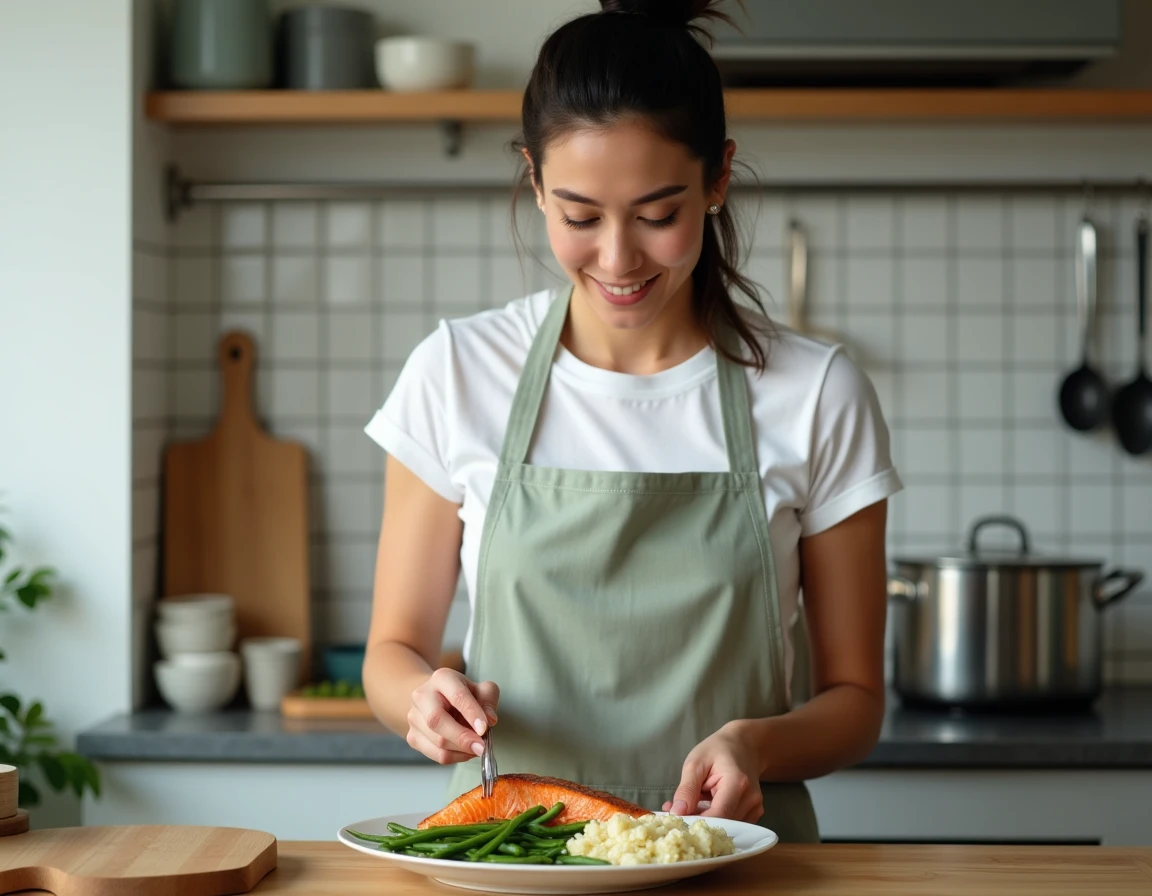
Baked Salmon Fillet with Steamed Broccoli
The salmon is placed on a sheet of parchment paper, drizzled with lemon juice, and sprinkled with dill. Bake at 180 °C for fifteen minutes. The broccoli cooks in parallel by steaming.
This evening weight-loss meal requires less than five minutes of active preparation. The salmon provides protein and healthy fats, while the broccoli offers fiber. An effective weight-loss dish doesn’t need to be complex to be satisfying.
Daily Dietary Rebalancing: What Really Makes a Weight-Loss Menu Stick
Recipes alone are not enough if the rest of the day goes off track. A few structuring habits make the difference between a diet abandoned in three weeks and a lasting rebalancing:
- Regular hydration: between 1.5 and 2.5 liters of water per day, more during physical activity. Thirst is often confused with hunger
- Systematic homemade meals: ultra-processed dishes contain added sugars and hidden fats that even a light menu cannot compensate for
- Maintaining three proper meals: skipping dinner or breakfast increases the risk of compensating with high-calorie snacking
- Spread protein intake: do not concentrate all proteins in one meal, but include them in every meal to stabilize satiety
Dietary rebalancing works because it doesn’t rely solely on willpower. The structure of meals, the choice of ingredients, and regularity do the work for you, meal after meal.
A sustainable weight-loss menu is built around dishes that you genuinely want to eat several times a week. If the recipe ends up at the bottom of a notebook, it’s useless. The best dish for losing weight is the one you make again without thinking about it.