The layout of a professional office plays a crucial role in the well-being and productivity of employees. An optimized workspace also reflects the image of the company. Discover how to design an office that combines functionality, aesthetics, and comfort for all your employees, whether in an open space office, an executive office, or a home office.
The importance of office layout
Benefits of a well-designed workspace
A well-thought-out professional office layout encourages productivity and motivation. A harmonious and functional workspace has a direct impact on employee morale. Studies show that a well-designed office environment helps reduce stress and improve overall well-being, often resulting in increased performance.
Reasons to optimize the workspace
A professional office layout also helps strengthen the company’s brand image. It illustrates the company’s concern for the comfort and well-being of its employees, which can attract potential talent. Moreover, adapting the space to the specific needs of employees, for example through professional office furniture, promotes better communication and collaboration among teams.
Choosing furniture for the office
Selecting suitable furniture
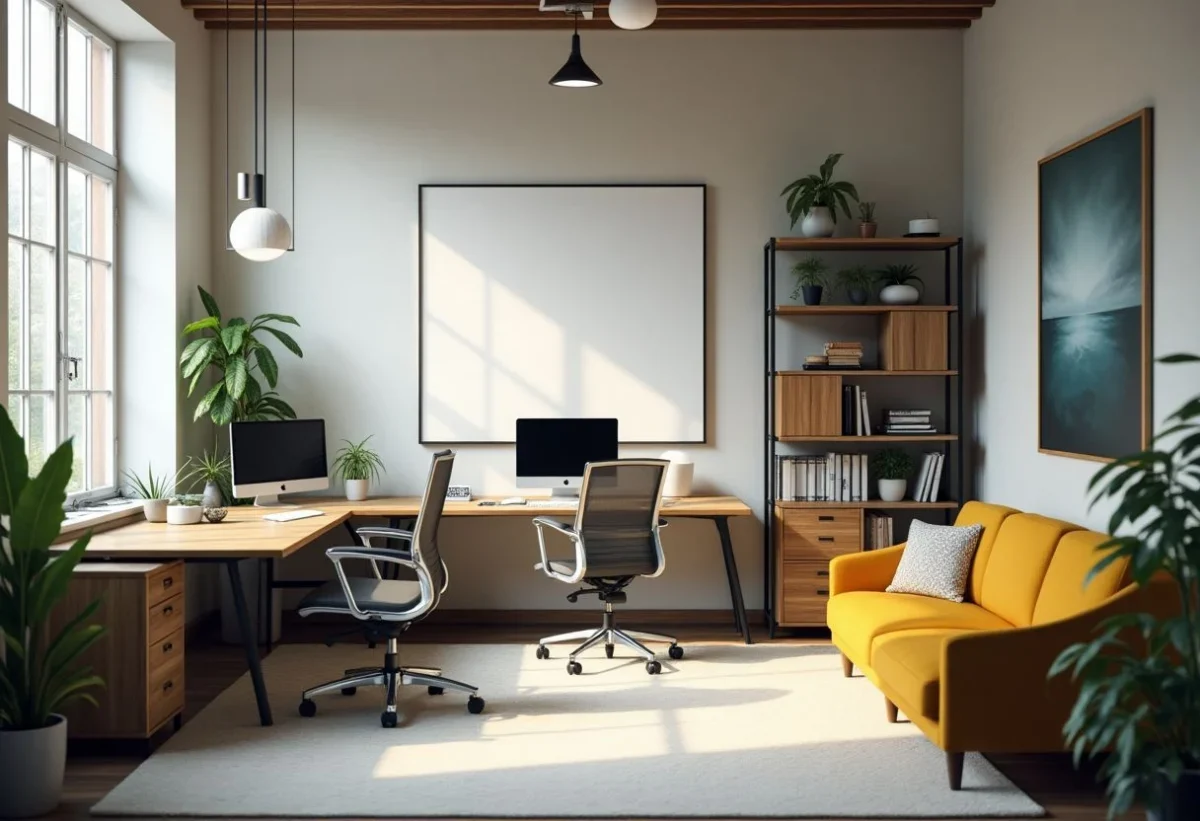
The choice of furniture is a key step in office layout. Opt for ergonomic furniture, such as height-adjustable chairs and desks, to ensure employee comfort. Height-adjustable desks are particularly appreciated for their flexibility, allowing for sitting or standing work as needed.
Integrating effective storage solutions
Integrating suitable storage solutions is essential for maintaining an organized workspace. Modular storage furniture can be tailored to the specific needs of each team, providing spaces for documents, office supplies, and personal items. A well-organized office enhances concentration and efficiency at work.
Office decoration and ambiance
Choosing colors and materials
The colors and materials used in an office directly influence the room’s ambiance. Neutral and calming tones promote concentration, while touches of bright colors can stimulate creativity. Favor durable and aesthetic materials to contribute to a professional and welcoming atmosphere.
Creating convivial spaces
Creating convivial spaces within the office encourages collaboration and the exchange of ideas. Relaxation corners or informal meeting spaces allow employees to unwind and discuss in a less formal setting. This helps strengthen bonds among colleagues and improve the overall atmosphere at work.
Optimizing the functionality of the space
Setting up a home office corner
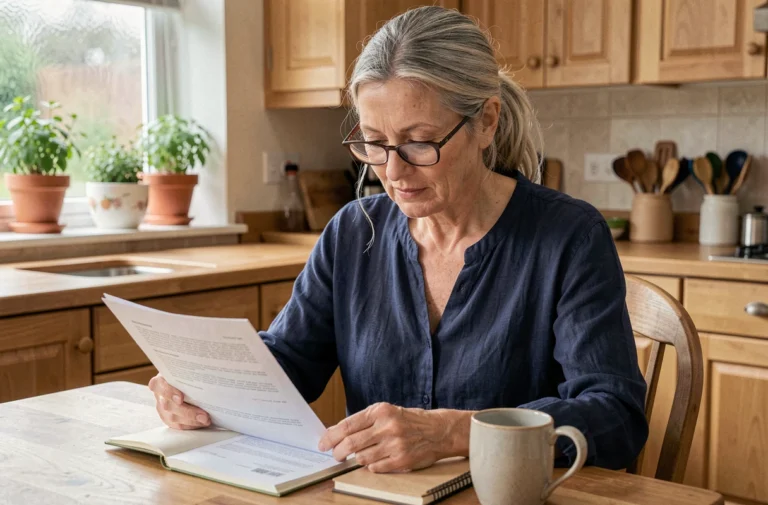
For those working from home, it is essential to set up a home office corner that separates the workspace from private life. Use compact and functional furniture to optimize the available space, and ensure that the home office corner is well-lit to promote concentration and reduce eye strain.
Creating an inspiring workspace
Personalizing your workspace with accessories and decorative elements can greatly influence motivation and creativity. Add plants for a touch of greenery and fresher air, and ensure that the lighting is sufficient to avoid eye fatigue and create a pleasant ambiance.
Adapting the office to new work modes
Flexible workspaces
With the evolution of work modes, it is crucial to adopt flexible workspaces. Nomadic workstations and reservation systems for shared desks allow employees to choose their work location based on their needs, thus promoting greater autonomy and better space management.
Integrating modern technologies
Integrating modern technologies into professional office layout, such as connected furniture or videoconferencing solutions, enhances efficiency and communication. This helps create a smart, connected work environment that is ready to meet the challenges of a constantly evolving professional world.