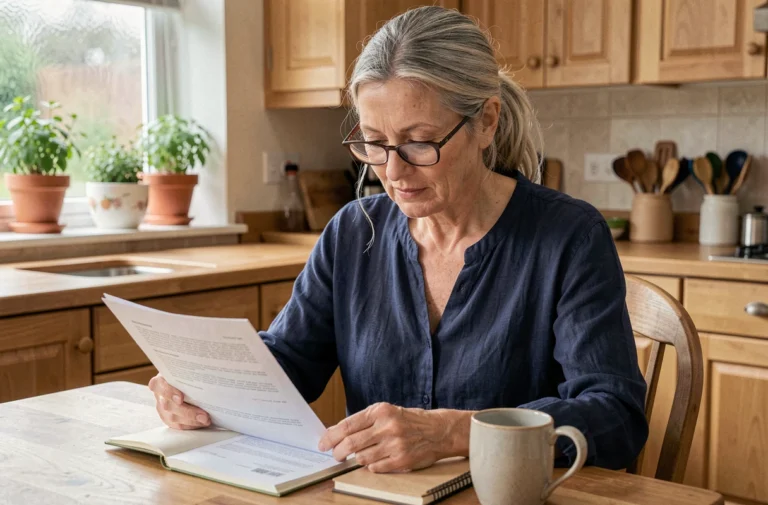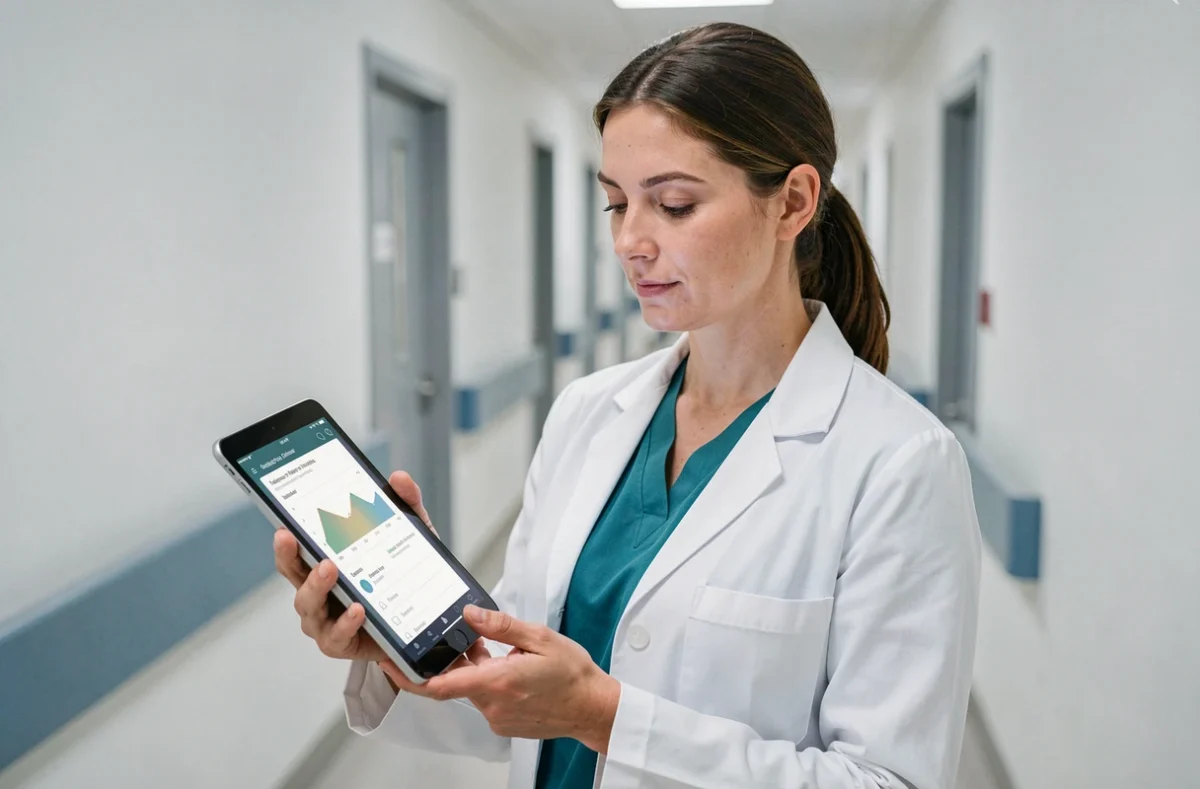
A general practitioner receiving a diagnostic suggestion generated by an algorithm must decide within seconds whether to follow it or dismiss it. This action, repeated dozens of times a day, encapsulates the current challenge for healthcare professionals: integrating powerful digital tools without losing clinical mastery or the connection with the patient.
Verifying AI before treating: the double burden on healthcare professionals
Have you ever received a medical report written quickly after a consultation? Behind this fluidity sometimes lies a generative artificial intelligence tool. These software programs transcribe exchanges, provide summaries, and suggest diagnostic codes.
The time-saving aspect seems obvious. The trade-off is less so: every output from the AI must be reviewed and validated by the practitioner. An automated report may contain factual errors, confusion between medical histories, or ambiguous phrasing. The physician remains legally responsible for the signed document.
This verification requirement creates what can be termed a double cognitive load. On one side, the professional consults, examines, and listens. On the other, they control an algorithmic output that they did not produce themselves. In practice, some practitioners who rely on the professionals on La Santé de Demain share their feedback on this interplay between technology and daily practice.
Regulations are beginning to frame this responsibility. Specific professional guidelines for generative AI are emerging, requiring physicians to document their validation process when using these tools. The goal is not to hinder adoption but to ensure that clinical decision-making remains human.
Digital medical records and care pathway coordination
Artificial intelligence captures media attention. Another innovation, less spectacular, is nonetheless transforming the daily lives of teams: the structured flow of information between professionals via digital medical records.
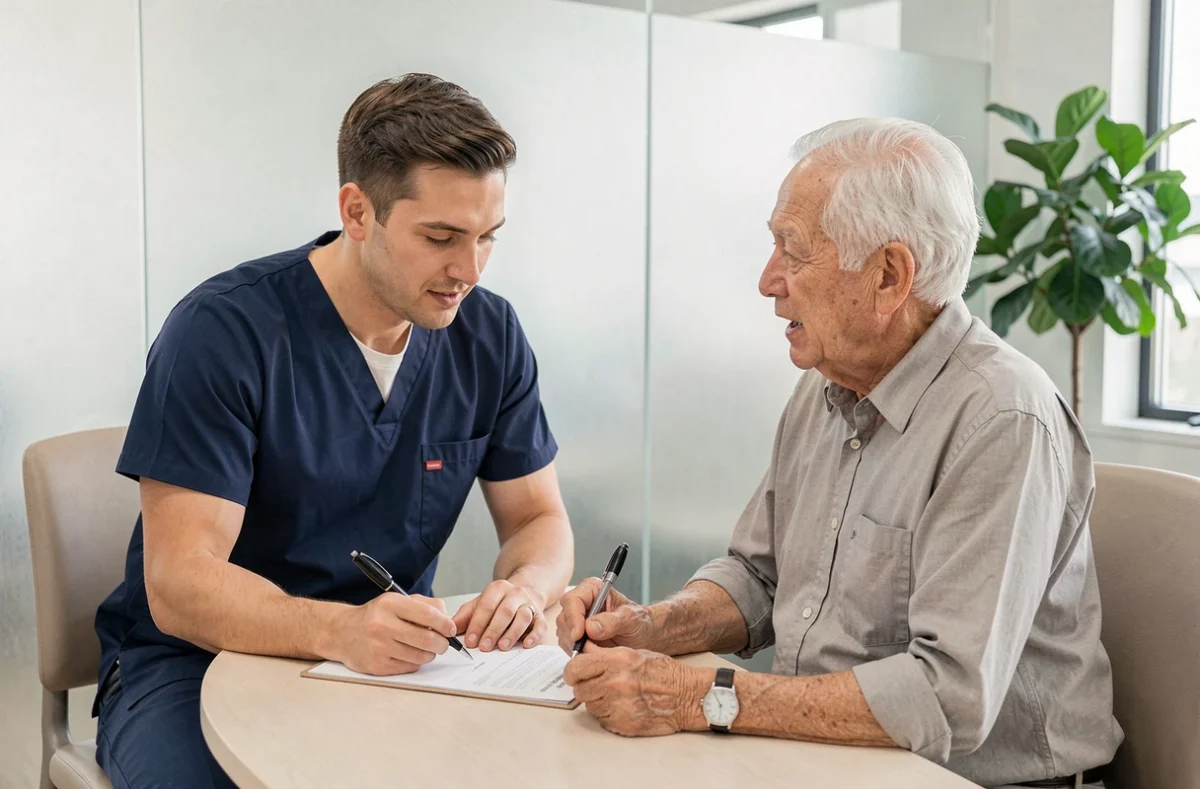
Let’s take a concrete example. A cancer patient follows a protocol involving an oncologist, a general practitioner, a home nurse, and a pharmacist. Each intervenes at different times, often without crossing paths. The shared medical record allows everyone to access the latest analyses, ongoing prescriptions, and hospitalization reports.
What the record changes in care management
Coordination replaces oral transmission, which is often incomplete or delayed. When the nurse observes a side effect, they document it in the record. The oncologist consults it before the next treatment cycle, without waiting for postal mail.
This system assumes that each professional rigorously updates the record. The quality of care directly depends on the quality of the data entered. A poorly filled field, an absent biology result, and the information chain breaks.
For chronic patients or those with disabilities, this digital coordination reduces redundant tests and medication errors. It does not replace collaboration among caregivers but provides a reliable foundation for it.
Social robots in facilities: support or technological gadget?
In some facilities housing elderly or disabled individuals, social robots are being tested to stimulate interaction. These machines talk, respond to facial emotions, and offer cognitive exercises.
The HAS has analyzed the conditions for a deployment it qualifies as “useful, ethical, and controlled.” Why this caution? Because a robot that simulates empathy raises questions that traditional telemedicine does not:
- Does the resident understand that they are interacting with a machine and not a caregiver, especially in cases of cognitive impairment?
- Does the robot complement the relational time of caregivers or serve to compensate for a lack of staff?
- Has the acceptability by patients and families been measured before deployment, and not after?
These questions are not theoretical. In a context of pressure on healthcare staffing, there is a temptation to present the robot as an organizational solution rather than as a care complement. This distinction matters because it determines the place given to human relationships in support.
Decentralized clinical research: bringing trials closer to the patient’s living environment
Innovation in health is not limited to digital tools used in consultations. It also affects how treatments are evaluated before reaching the market.
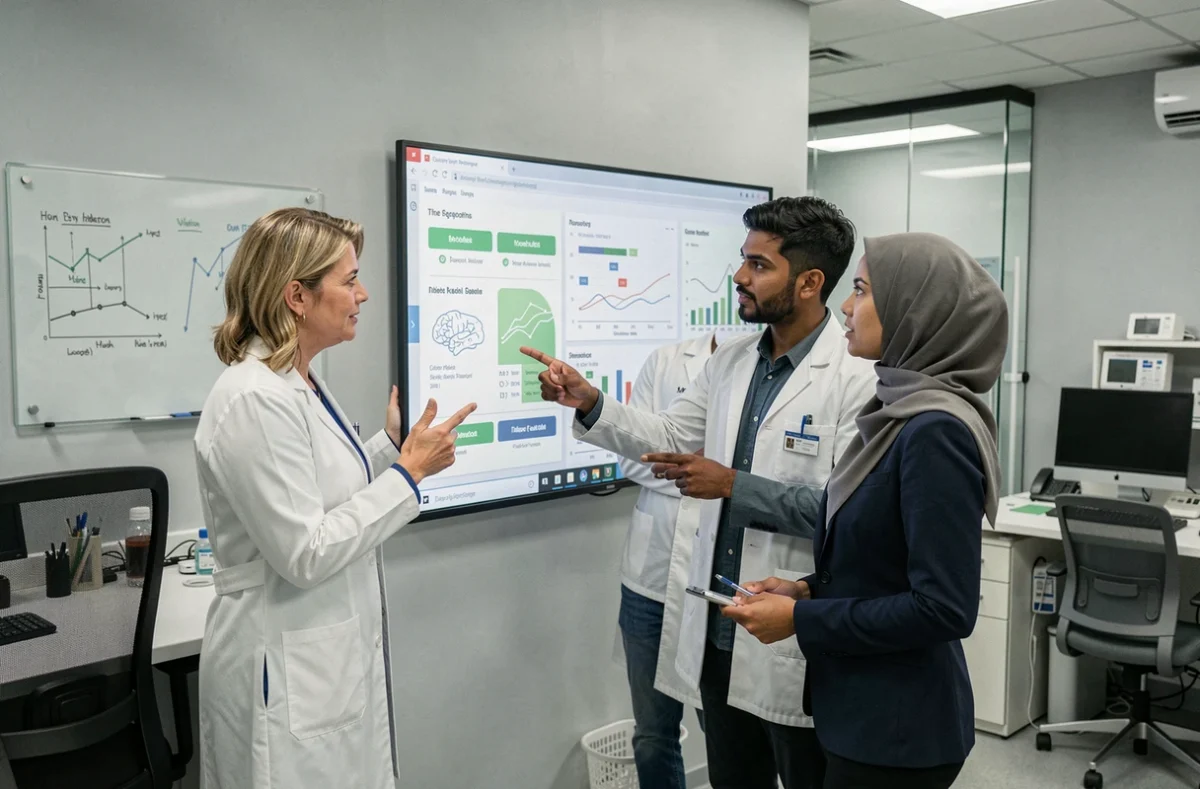
Decentralized clinical research involves organizing part of the clinical trials outside the hospital. Specifically, a patient included in a protocol can undergo certain examinations at their general practitioner, transmit their data via a secure application, and limit their trips to the investigative center.
Why this model changes the game
Traditional trials effectively exclude patients far from hospital centers. Elderly individuals, residents of rural areas, patients with disabilities: all face logistical obstacles to participating in research. Decentralization reduces these barriers.
This model relies on trust between the investigative center and local professionals. The general practitioner becomes an active link in the protocol. They collect data, monitor adverse effects, and report deviations. Their engagement determines the reliability of the trial.
- The patient remains in their daily environment, which often improves treatment adherence
- The collected data better reflect real-life conditions, not just the controlled setting of a hospital
- The diversity of profiles included in trials increases, enhancing the relevance of results for the entire population
Patient support is not measured solely by the number of tools deployed. It is measured by the professionals’ ability to maintain control over these tools, protect health data, and preserve the time dedicated to listening. The most sustainable innovations are those that lighten the burden on caregivers without interposing between them and their patients.