The runways of major fashion capitals continue to unveil significant trends, dictated by iconic luxury brands. Fashion houses like Chanel, Dior, and Gucci constantly push the boundaries of creativity and innovation, capturing the imagination of fashion enthusiasts worldwide.
Each season brings its share of surprises and new stylistic directions. From bold silhouettes to exotic patterns, and luxurious materials, these major brands define what it means to be at the forefront of fashion. Current trends reflect a harmonious blend of tradition and modernity, ensuring a timeless and sophisticated look.
Iconic luxury brands and their influence on current trends
Luxury brands continue to dominate the fashion industry by imposing trends that captivate around the world. Chanel, Dior, and Gucci relentlessly push the boundaries of innovation, creating pieces that leave a mark and define what modern haute couture is. A study by Bain & Company reveals that the luxury goods industry recorded a 13% increase in revenue in 2022 compared to 2021, a sign of undeniable resilience and attractiveness.
Artistic collaborations
Collaborations between luxury brands and contemporary artists play a key role in these dynamics. Dior, for example, partners with KAWS, while Louis Vuitton collaborates with Jeff Koons. These partnerships not only create unique collections but also attract a younger, trendier audience, such as Generation Z and Generation Y.
The impact of social media
Chanel and Dior leverage social media to stay connected with their audience. The strategic use of platforms like Instagram allows for the dissemination of global campaigns and reaching an international audience. Social media thus becomes a powerful tool for influencing trends and strengthening brand presence.
Luxury accessories
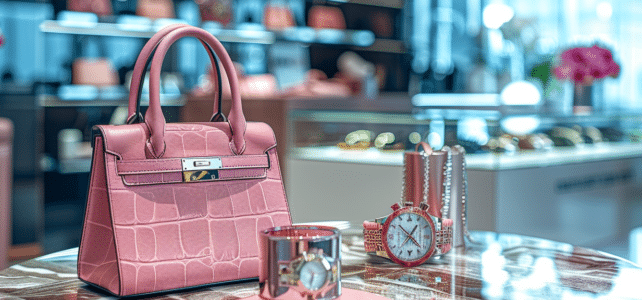
Accessories, particularly bags, play a fundamental role in the influence of luxury brands. Michael Kors bags, while distinct from historic houses like Louis Vuitton and Gucci, demonstrate how accessories can become fashion icons. Customization services offered by brands such as Fendi and Prada add extra value, making each piece unique.
Luxury brands continue to innovate and captivate, despite current economic challenges. Their ability to merge tradition and modernity, while employing sophisticated communication strategies, secures their leadership position in the fashion industry.
Innovative strategies of luxury houses to attract new generations
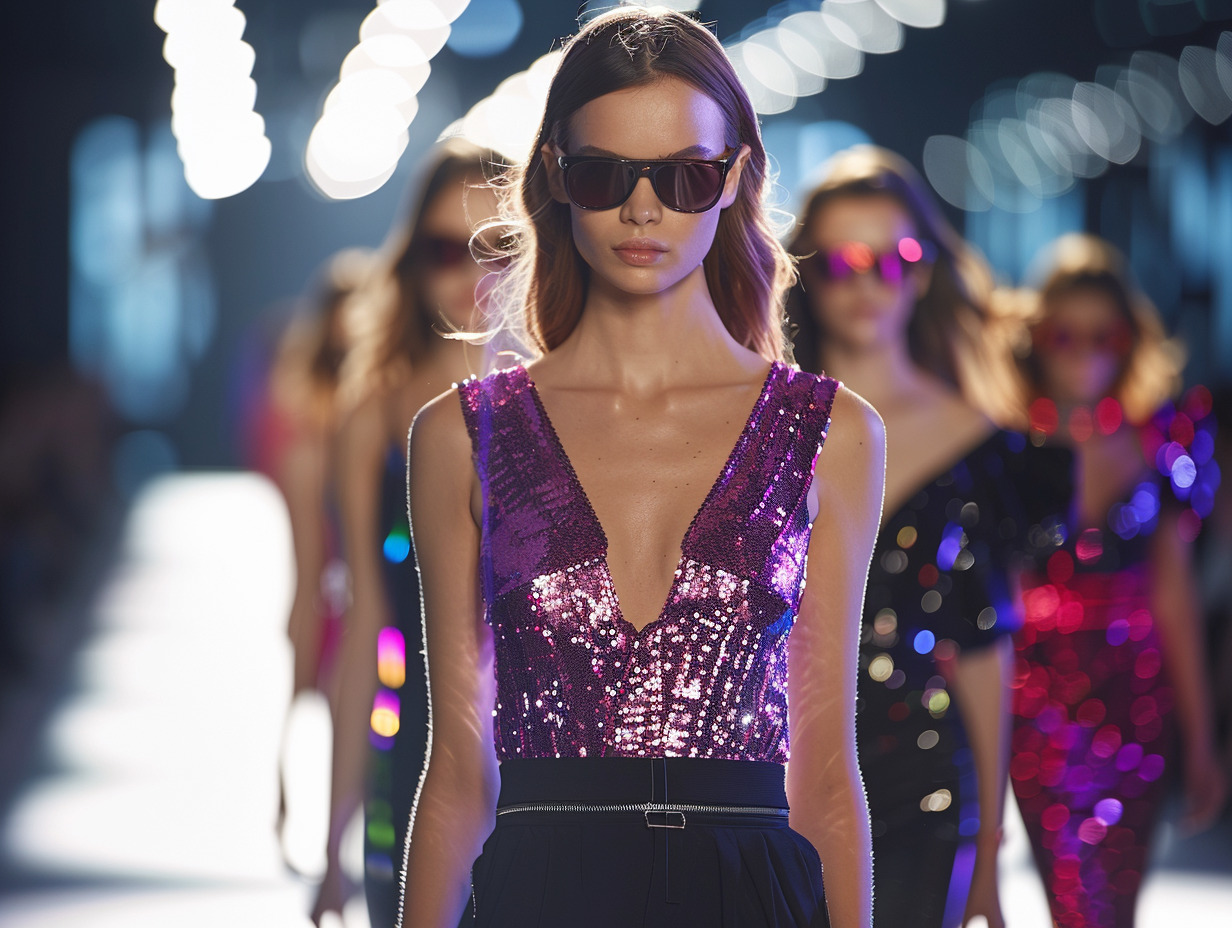
Luxury houses are doubling their efforts to capture the attention of Generation Y and Z by adopting innovative strategies that combine technology and sustainability. Gucci, Louis Vuitton, and Off-White specifically target these young consumers by integrating elements of streetwear and collaborations with popular artists and influencers.
Sustainability and customization
Environmental concerns play an increasingly fundamental role in the purchasing decisions of younger generations. Stella McCartney and Burberry adopt sustainable practices, such as using recycled materials and ethical production processes. Meanwhile, Fendi and Prada focus on customization of their products, offering services that allow customers to create unique pieces.
Technology and innovation
The integration of blockchain technology by Louis Vuitton and LVMH ensures traceability and authenticity of products, meeting consumers’ transparency expectations. Chanel and Dior leverage social media to stay connected with their audience, using global campaigns and strategic collaborations with influencers.
- Gucci targets Gen Z with streetwear elements.
- Stella McCartney and Burberry adopt sustainable practices.
- Fendi and Prada offer customization services.
- Louis Vuitton and LVMH adopt blockchain technology.
By merging innovation, sustainability, and customization, luxury brands effectively attract younger generations, despite the economic crisis and inflation. These strategies not only help retain a younger clientele but also ensure sustained growth in a constantly evolving market.