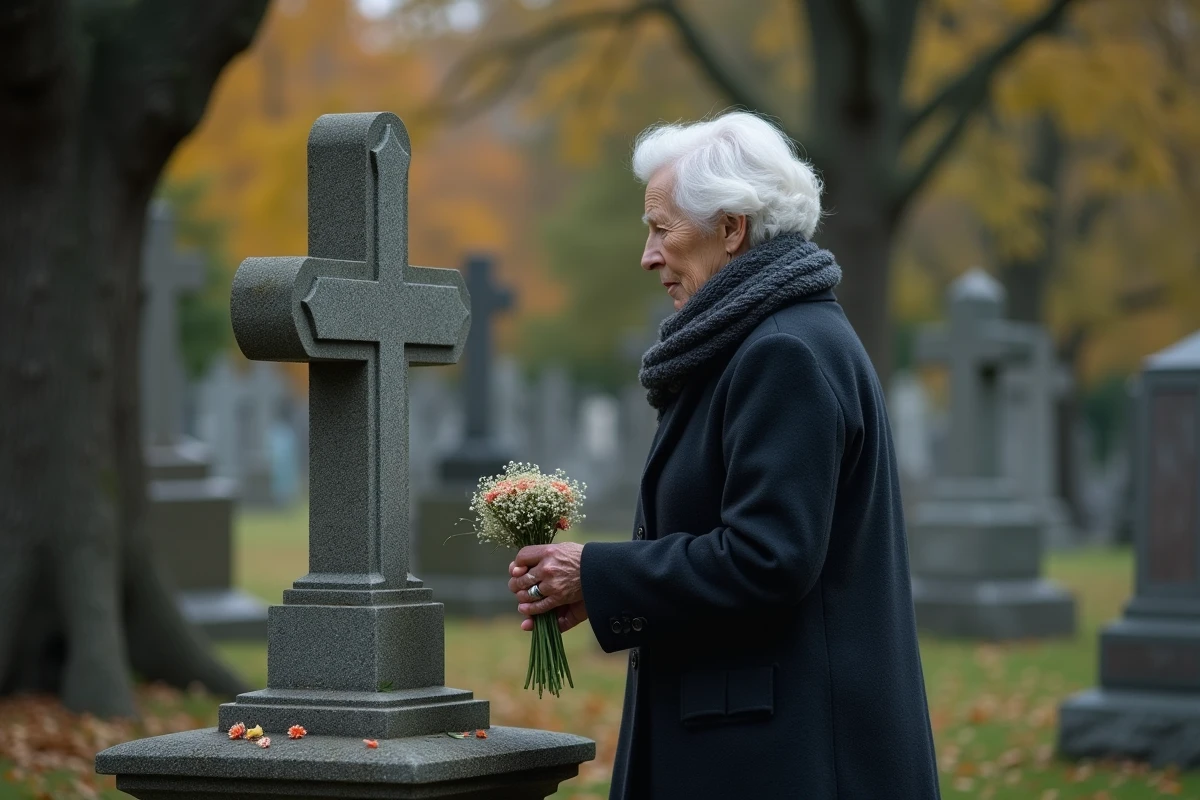
In France, some family graves impose the continuity of a cross model chosen several generations ago, sometimes limiting the possibilities for personalization during a new tribute. However, funeral regulations do not impose any specific form and allow for a great diversity of materials and styles, provided that the rules of the concerned cemetery are respected.
The recent emergence of stainless steel or black granite crosses contrasts with the tradition of wood or limestone, and leads to choices sometimes constrained by climate, durability, or budget. This diversity reflects the evolution of practices and expectations regarding the memory of the deceased.
Understanding the diversity of grave crosses: forms, materials, and symbolism
The landscape of grave crosses has expanded over the centuries. Each model carries the heritage of an era, a region, or a belief. Sometimes modest, sometimes majestic, the funeral cross becomes a landmark, a gesture passed down through generations. In the majority of cemeteries, the Latin cross dominates, a visible embodiment of the Christian faith. But there is also the Celtic cross, the Orthodox cross, the Huguenot cross. Each asserts an origin, a history, an attachment to a particular identity. The Greek cross and more streamlined creations, with modern lines, testify to a desire for originality or a search for aesthetic balance. Choosing a grave cross also involves working with materials. Granite and marble attract with their solidity and timeless elegance. Metal, bronze, wood, or resin invite other registers: more sober, warmer, or more contemporary. Some turn to biodegradable materials: wood from eco-managed forests, local stone, a respectful alternative to natural resources and the cycle of life. Ornaments take on their full meaning: lilies, roses, chrysanthemums for tenderness or fidelity; dove, lion, butterfly for peace, strength, or transformation. Each motif becomes a discreet messenger. The personalization of a headstone cross has significantly evolved in recent years. Laser engraving, QR codes leading to a memorial website, solar lighting… Today’s tools offer unprecedented possibilities to recall the personality of the one who rests there. Before choosing, it may be useful to consult the different types of grave crosses: every detail, every material, every style gives body to a unique story.
How to find the cross that corresponds to the story and values of the deceased?
The choice of a funeral cross is never just a simple formality. It is about finding the shape, the material, the symbol that tells a life. Often, the family gathers to evoke memories, convictions, dreams, or significant episodes. This moment of collective reflection guides towards personalization: every detail, from the motif to the color, carries its own meaning. The Latin cross recalls attachment to the Christian tradition; the Celtic cross evokes a regional belonging, the meeting of several cultures. The Orthodox cross emphasizes the diversity of origins, the Huguenot cross claims the Protestant history of a lineage. Other families prefer to break free from conventions, opting for a resolutely modern, streamlined, or stylized design.
Several criteria can guide the choice:
- Religious or secular symbolism: expressing a faith, a commitment, a family memory, or an attachment to tolerance.
- Material: choosing granite, marble, wood, bronze, or favoring a biodegradable material if one desires an ecological burial.
- Budget: selecting a cross based on available means, with the possibility of requesting funeral insurance if necessary.
- Support: benefiting from the expertise of a counselor or a funeral artisan, who offers tailored solutions, advises on engraving, ornaments, or innovative options like adding a QR code or solar lighting.
Much more than a simple accessory placed on a headstone, the funeral cross becomes the witness of a tribute. It embodies respect, fidelity, transmission. To choose, it is important to consider the wishes of the deceased, family values, but also to rely on the experience of funeral professionals.
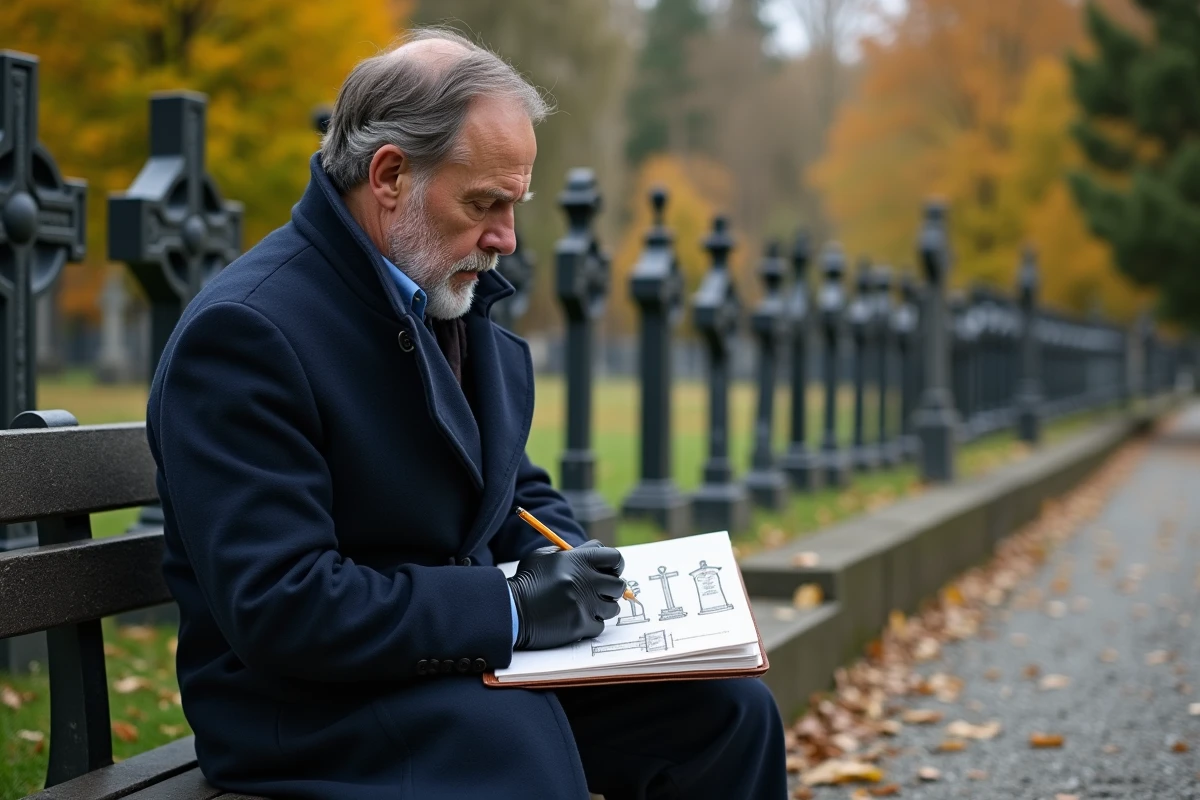
Personalization and services: creating a unique tribute through ornamentation and support options
The personalization of a grave today goes well beyond simply choosing a cross. Each element, material, engraving, ornament, contributes to making the grave a custom tribute. Engraving, whether traditional or done by laser engraving, inscribes the name, dates, sometimes a cherished phrase of the deceased, or a floral or animal motif. Lilies, roses, doves: each symbol conveys an intention, an emotion, a message for those who come to pay their respects. Recent innovations are shifting the lines. The QR code integrated into the cross or the gravestone allows access to an online memorial space, a gallery of images, memories, testimonials. The solar lighting illuminates the grave at night, extending the presence of memory beyond the day. To give depth to the whole, funeral ornaments find their place around the grave. Here are some items that allow for further personalization of the grave:
- Vases and planters to hold flowers in all seasons
- Lanterns, candles, or medallions, chosen for their symbolism or aesthetics
- Natural or artificial floral arrangements, to show regular attention
Support does not stop at the initial order. The funeral advisor and the specialized artisan remain present to guide on maintenance, material durability, and renewal possibilities. Personalization is thus built step by step, through exchange and listening, so that each tribute is faithful to the deceased as well as to those who visit them. Through the choices, the grave cross becomes much more than a symbol: it is inscribed in collective memory, marking the landscape of remembrance. And each family invents its way of linking the past to the future, through these gestures, these forms, these details that tell, without words, what the disappearance leaves most precious.