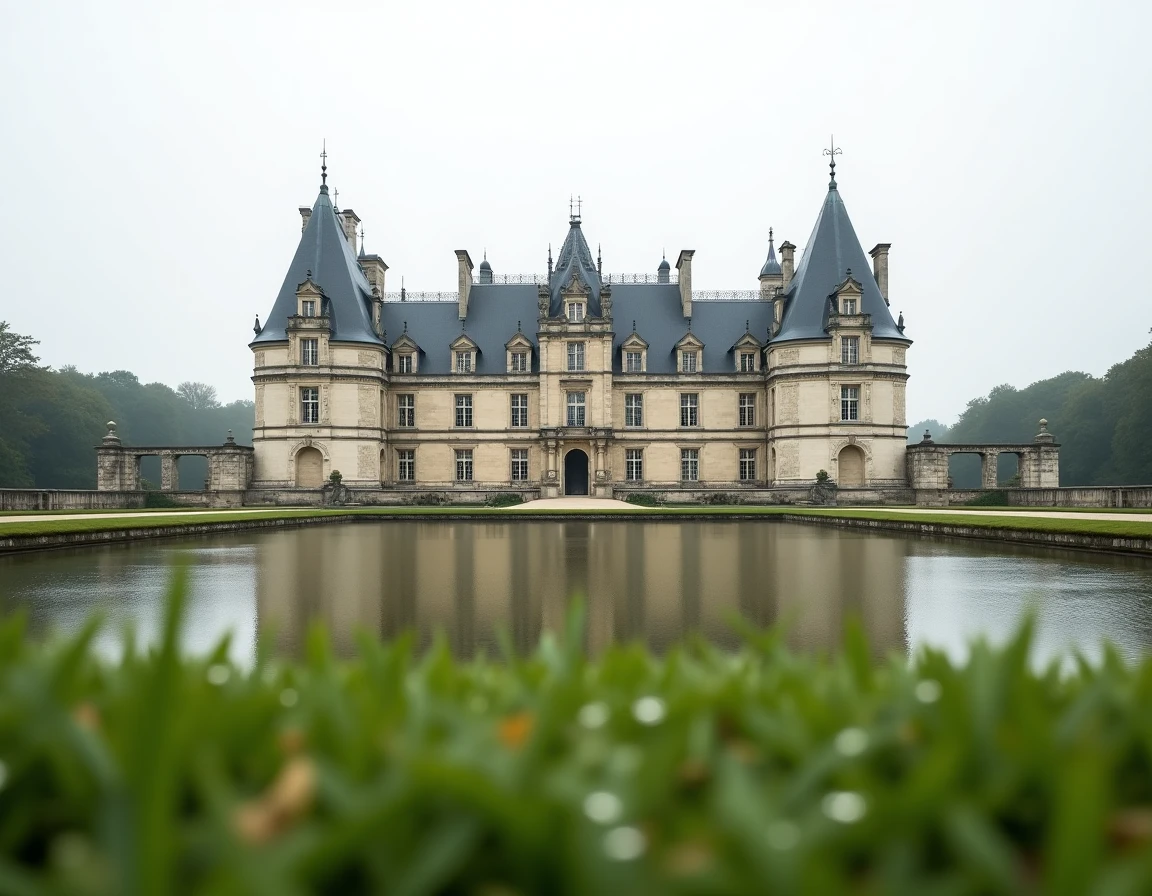
The Château de Chambord presents an architectural attribution problem that five centuries of research have not resolved. The construction, initiated in 1519 by François I on a marshy site in Sologne, employs oak pile foundation techniques, a choice that still affects the stability of the building today. Understanding Chambord means first reading a structure designed as a political manifesto of the French Renaissance, not as a functional residence.
Foundations and Geotechnical Constraints of the Château de Chambord
The choice to place such a massive edifice on the clayey and humid soils of the Loire Valley was not obvious. The foundations rest on a network of oak piles driven into the substrate, a technique borrowed from Venetian construction sites that the Italian engineers at court mastered.
This system, effective as long as the hydrostatic level remains stable, becomes vulnerable to prolonged climatic variations. The François I wing has been experiencing weakening for several years due to drought and ground movements. The estate estimates the cost of saving this wing at 27 million euros, a priority project that illustrates the tension between heritage conservation and hydrogeological reality.
Here we observe a case study: a UNESCO World Heritage monument whose longevity directly depends on climatic parameters that its 16th-century designers could not anticipate. A complete analysis of the history and valuation of the Château de Chambord allows us to gauge the extent of the investments necessary for its preservation.
Central Plan and Keep: The Legacy of Leonardo da Vinci in the Architecture of Chambord
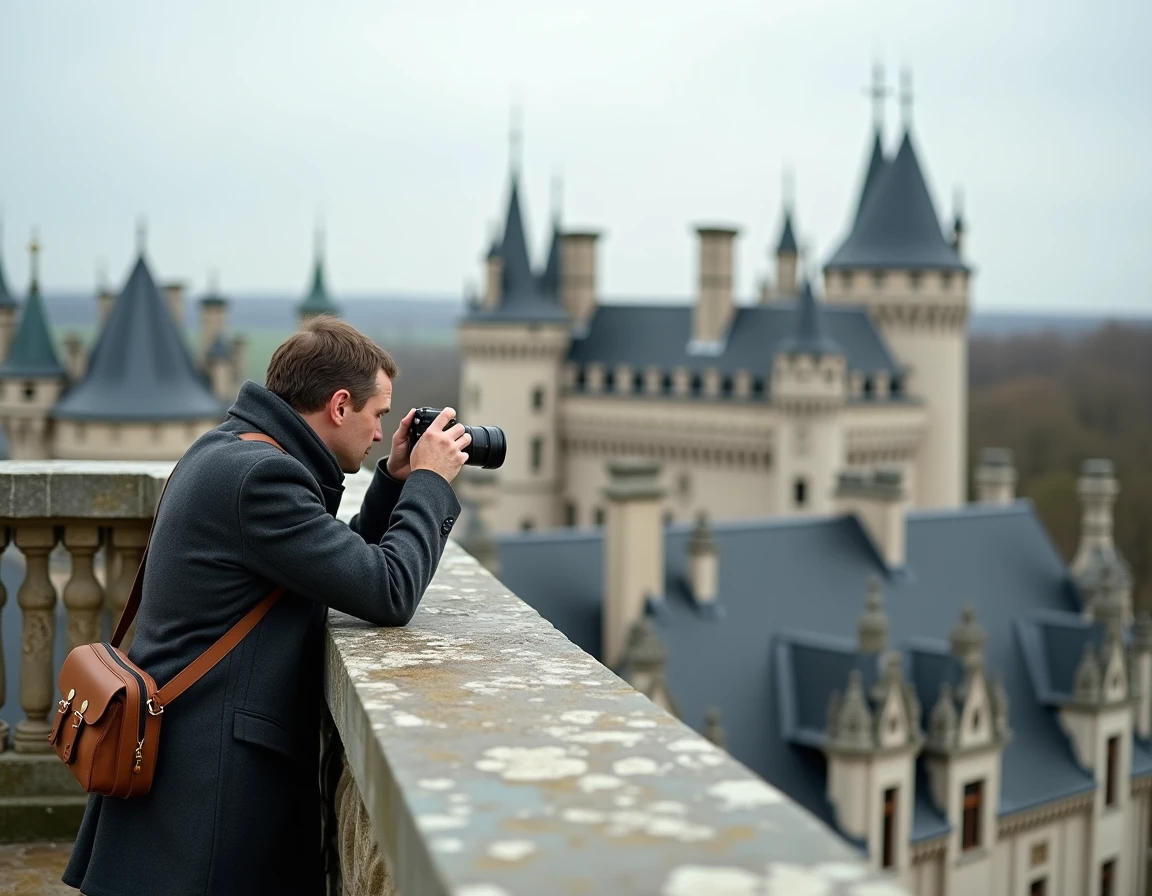
The hypothesis of a direct intervention by Leonardo da Vinci in the design of the château remains debated. What is not debated, however, is the lineage between the centered plan drawings preserved in Vinci’s notebooks and the structure of the keep at Chambord.
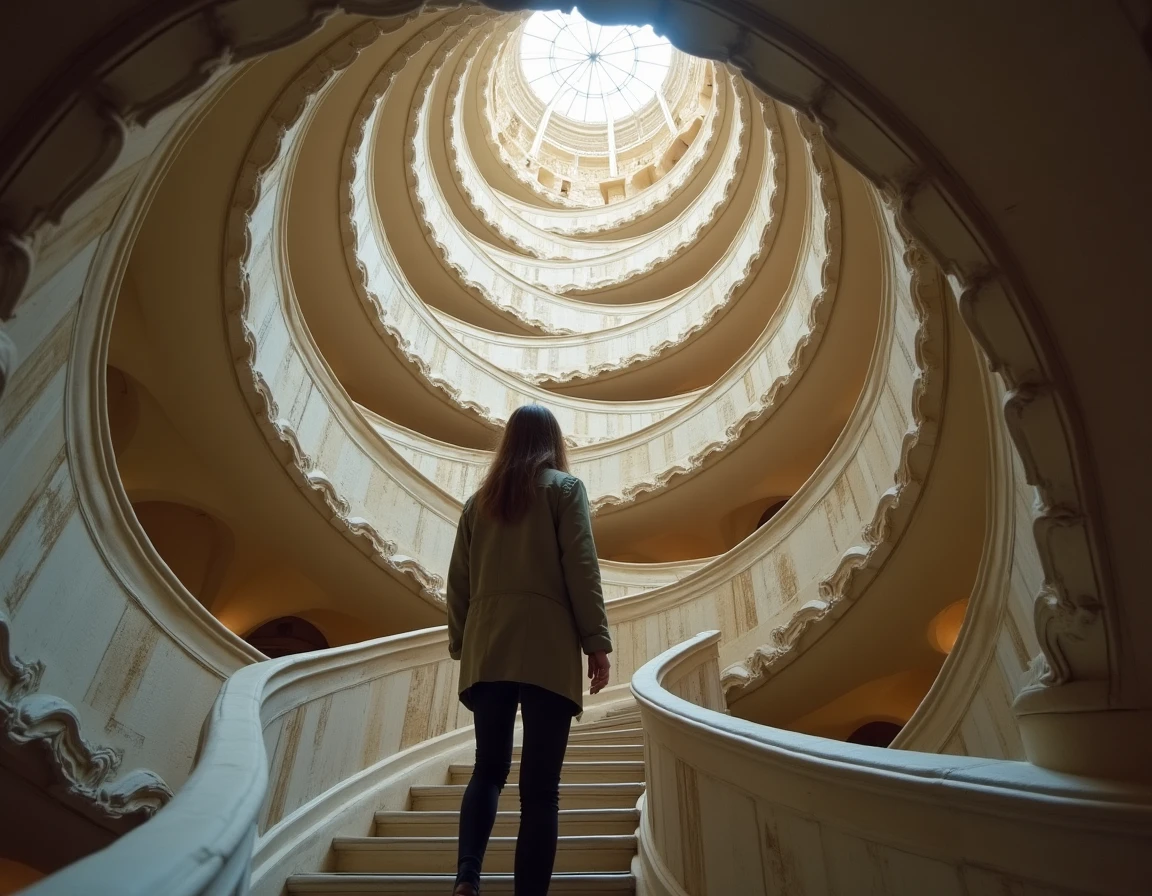
The keep functions as an autonomous building at the center of the château. Its Greek cross geometry distributes four identical apartments per floor around a central core occupied by the famous double helix staircase. This arrangement allows two people to ascend and descend simultaneously without ever crossing paths.
Double Helix Staircase: Engineering and Symbolism
The staircase is not a decorative whim. Its design solves a circulation problem in a centered plan building where flows must remain separate for protocol reasons. The structure rests on a perforated core that lets light through and allows users of both flights to see each other without meeting.
From a construction standpoint, the two helices share the same axis and the same landings, but their flights are offset by 180 degrees. This feat of stone masonry required a level of precision in cutting and installation that few construction sites of the time could guarantee. Pierre Nepveu, a documented master mason on the site, played a crucial role in this achievement.
2026 Pricing Policy: Differential Pricing and Access for Young Audiences
Chambord has adopted a pricing structure that breaks away from the uniform model of French national monuments. The full price for the château and gardens is set at 21 euros for visitors from the European Economic Area. A specific rate of 31 euros applies to individual visitors who are neither nationals nor residents of the EEA.
This pricing differentiation based on nationality aligns Chambord with common practices in southern European countries but is still rare in France for state historical monuments. It generates a debate on equity of access to heritage while responding to a logic of financing heavy restorations.
- Free admission for EU nationals under 26, a measure that positions Chambord as an initiatory site for young audiences, on par with major national museums.
- Reduced rate for residents of Loir-et-Cher and holders of certain cultural cards, according to the official pricing grid of the estate.
- Free access to the park and natural areas of the estate, allowing for a separation between château visitors and walkers.
Chambord as a Hunting Lodge: The Original Function and Enclosed Estate
To reduce Chambord to just another Loire château is to ignore its primary function. François I never intended to reside there permanently. The king only stayed there for a total of a few dozen days. The building served as a setting for royal hunts in Sologne and as a diplomatic showcase intended to impress foreign ambassadors.
The enclosed estate surrounding the château constitutes the largest enclosed forest park in Europe. This enclosing wall, several dozen kilometers long, delineates a hunting territory that remains today a national wildlife reserve. Deer, wild boars, and birds of prey thrive in a preserved ecosystem, observable from designated viewing points.
From Hunting King to National Estate
The transformation of the estate into state property in the 20th century gradually erased the hunting vocation of the place in favor of a museum and environmental mission. The royal apartments, restored with Louis XIV and Louis XV period furniture, testify to the successive uses of the château by different dynasties, from the Valois to the Bourbons.
The estate welcomes each year a volume of visitors that places it among the most frequented heritage sites in France, behind Versailles and Mont-Saint-Michel. This influx, combined with the restoration constraints of the tuffeau stone sensitive to erosion, imposes a careful management of flows and intervention priorities.
Chambord remains a permanent construction site. The tuffeau stone, chosen for its whiteness and ease of carving, deteriorates under the combined effects of humidity, frost, and air pollution. Every generation since the 16th century has had to restore what the previous one built. The monument we visit today is not that of François I, but the result of five centuries of successive interventions, each carrying its own technical and aesthetic choices.